Cutting Taps เครื่องมือสำหรับการต๊าปเกลียวที่แม่นยำในงานอุตสาหกรรม
September 30, 2024 by Ylcuttingtools
[[POS3]]
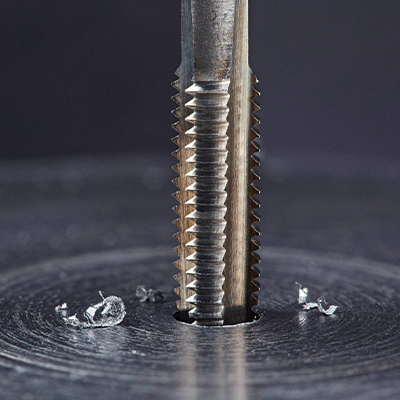
Cutting Taps หรือ ดอกต๊าปเกลียว เป็นเครื่องมือที่ใช้ในการสร้างเกลียวภายในรูของวัสดุ (internal threading) เพื่อให้สามารถใส่สกรูหรือสลักเกลียวได้อย่างแน่นหนาและปลอดภัย การต๊าปเกลียวเป็นขั้นตอนสำคัญในกระบวนการผลิตชิ้นส่วนอุตสาหกรรม โดย Cutting Taps มักใช้กับวัสดุหลากหลายชนิด เช่น โลหะ เหล็ก อลูมิเนียม และพลาสติก
ประเภทของ Cutting Taps
Cutting Taps มีหลายประเภทที่ออกแบบมาให้เหมาะสมกับการใช้งานที่แตกต่างกัน ขึ้นอยู่กับลักษณะของเกลียวที่ต้องการ ความแข็งของวัสดุ และกระบวนการผลิต ซึ่งสามารถแบ่งประเภทของ Cutting Taps ได้ดังนี้:
Hand Tap (ต๊าปมือ)
Hand Tap เป็นต๊าปเกลียวที่ใช้งานง่ายและพบได้ทั่วไป โดยมักใช้ในงานที่ต้องการควบคุมการต๊าปอย่างละเอียดด้วยมือ
มักมาพร้อมกับชุดที่มี 3 ขนาด ได้แก่ Taper Tap, Plug Tap และ Bottoming Tap สำหรับการต๊าปในรูที่มีความลึกต่างๆ
Machine Tap (ต๊าปเครื่อง)
ออกแบบมาเพื่อใช้กับเครื่องจักรกล เช่น เครื่องกลึงหรือเครื่องกัด สามารถต๊าปเกลียวได้อย่างรวดเร็วและแม่นยำ เหมาะกับงานผลิตที่ต้องการความรวดเร็วและมีจำนวนมาก
Cutting Taps ประเภทนี้สามารถทำงานได้โดยอัตโนมัติ ไม่ต้องใช้มือในการควบคุม
Spiral Point Tap (Gun Tap)
มีลักษณะฟันที่เป็นมุมลาดเอียง ช่วยขจัดเศษโลหะไปข้างหน้าในขณะต๊าป เหมาะสำหรับการต๊าปเกลียวในรูที่ทะลุ (through hole)
การออกแบบให้เศษโลหะเคลื่อนไปด้านหน้าทำให้สามารถทำงานต่อเนื่องได้โดยไม่ต้องหยุดบ่อย
Spiral Flute Tap
มีร่องฟันที่บิดเกลียวเป็นเกลียวคล้ายดอกสว่าน ช่วยดึงเศษวัสดุออกจากรูในระหว่างการต๊าป เหมาะสำหรับการต๊าปเกลียวในรูตัน (blind hole)
การออกแบบร่องเกลียวช่วยให้ต๊าปเกลียวได้ง่ายขึ้นในรูที่ลึกหรือซับซ้อน
Bottoming Tap
มีฟันเกลียวที่ถูกตัดอย่างละเอียด เหมาะสำหรับการต๊าปเกลียวในรูที่ต้องการความลึกสูงสุด และการต๊าปในพื้นที่จำกัด
ใช้เมื่อมีการเจาะรูที่เกือบลึกถึงก้นรู และต้องการต๊าปเกลียวตลอดความลึกของรู
วัสดุที่ใช้ในการผลิต Cutting Taps
Cutting Taps มักผลิตจากวัสดุที่มีความแข็งแรงและทนทาน เพื่อให้สามารถตัดเกลียวในวัสดุที่มีความแข็งได้ วัสดุที่ใช้ในการผลิต Cutting Taps ได้แก่:
High-Speed Steel (HSS)
เป็นวัสดุที่นิยมใช้มากที่สุดในการผลิต Cutting Taps เนื่องจากมีความทนทานต่อการสึกหรอและทนความร้อนได้ดี
เหมาะสำหรับงานต๊าปทั่วไปในวัสดุที่ไม่แข็งมาก เช่น เหล็กหล่อ อลูมิเนียม และทองแดง
Cobalt
มีส่วนผสมของโคบอลต์ ทำให้ Cutting Taps มีความแข็งแรงและทนความร้อนได้สูงขึ้น เหมาะสำหรับงานที่ต้องการความเร็วและความทนทานมากกว่าวัสดุ HSS
ใช้ในงานต๊าปวัสดุที่มีความแข็งมาก เช่น สแตนเลส และโลหะผสมที่ทนความร้อน
Carbide
คาร์ไบด์เป็นวัสดุที่มีความแข็งสูงมากและทนต่อการสึกหรอ เหมาะสำหรับงานที่ต้องการต๊าปเกลียวในวัสดุที่มีความแข็งสูง เช่น เหล็กชุบแข็งและโลหะผสมที่แข็งมาก
ข้อเสียคือ คาร์ไบด์มีความเปราะ จึงควรใช้ด้วยความระมัดระวังเพื่อป้องกันการแตกหัก
Titanium Coated (TiN, TiCN, TiAlN)
เป็น Cutting Taps ที่เคลือบด้วยไทเทเนียม หรือสารเคลือบอื่นๆ เพื่อเพิ่มความแข็งแรงและลดแรงเสียดทาน ทำให้สามารถใช้งานในความเร็วสูงได้
ช่วยยืดอายุการใช้งานและเพิ่มประสิทธิภาพในการตัดเกลียว
การใช้งาน Cutting Taps
Cutting Taps ถูกใช้ในการสร้างเกลียวภายในรูของวัสดุในหลายอุตสาหกรรม เช่น การผลิตชิ้นส่วนยานยนต์ การผลิตเครื่องมือทางการแพทย์ และการก่อสร้าง ซึ่งการใช้งาน Cutting Taps นั้นต้องคำนึงถึงปัจจัยต่างๆ ดังนี้:
- ขนาดของรูและเกลียว
การเลือกขนาดของ Cutting Taps ต้องตรงกับขนาดเกลียวที่ต้องการเพื่อให้ได้ความแม่นยำและเกลียวที่สมบูรณ์
- ชนิดของวัสดุ
วัสดุที่ทำการต๊าปเกลียวจะมีผลต่อการเลือกประเภทของ Cutting Taps หากวัสดุมีความแข็งมาก ควรเลือกใช้ Cutting Taps ที่ทำจากคาร์ไบด์หรือโคบอลต์
- สารหล่อลื่น
การใช้สารหล่อลื่นระหว่างการต๊าปเกลียวเป็นสิ่งสำคัญเพื่อช่วยลดแรงเสียดทานและความร้อน ทำให้ Cutting Taps มีอายุการใช้งานที่ยาวนานขึ้น
ข้อดีของ Cutting Taps
ความแม่นยำในการสร้างเกลียว
Cutting Taps ช่วยให้การสร้างเกลียวในรูเป็นไปอย่างแม่นยำและเรียบเนียน ทำให้เกลียวมีความแข็งแรงและทนทาน
รองรับการใช้งานหลากหลาย
Cutting Taps มีหลากหลายประเภทและขนาด ทำให้สามารถใช้งานได้กับวัสดุและงานที่หลากหลาย เช่น การต๊าปเกลียวในรูตันหรือรูทะลุ
ประสิทธิภาพสูงในการผลิต
สำหรับการผลิตในปริมาณมาก การใช้ Cutting Taps ชนิด Machine Tap ช่วยลดเวลาในการผลิตและเพิ่มความเร็วในการต๊าปเกลียว
ข้อควรระวังในการใช้ Cutting Taps
การเลือกขนาดที่ไม่ถูกต้อง: หากเลือกขนาดที่ไม่เหมาะสม อาจทำให้เกลียวที่ได้ไม่สมบูรณ์หรือชำรุดได้
การใช้แรงมากเกินไป: การใช้แรงมากเกินไปอาจทำให้ Cutting Taps แตกหัก ควรควบคุมแรงและความเร็วในการทำงานให้เหมาะสม
การหล่อลื่นที่ไม่เพียงพอ: การไม่ใช้สารหล่อลื่นอาจทำให้เกิดความร้อนสูง ส่งผลให้ Cutting Taps สึกหรอเร็วขึ้น
สรุป
Cutting Taps เป็นเครื่องมือที่มีบทบาทสำคัญในการสร้างเกลียวภายในรูของวัสดุต่างๆ โดยมีความแม่นยำและความแข็งแรงสูง Cutting Taps มีหลายประเภทและวัสดุที่ใช้ผลิต ซึ่งสามารถเลือกใช้ให้เหมาะสมกับงานและวัสดุที่ต้องการเจาะ การใช้งาน Cutting Taps อย่างถูกต้องจะช่วยเพิ่มประสิทธิภาพในการผลิต ลดความเสี่ยงในการเสียหายของชิ้นงานและเครื่องมือ และยืดอายุการใช้งานของเครื่องมือ
Cutting Taps: Overview
Cutting Taps are essential tools used for creating internal threads in materials, allowing screws or bolts to be securely fastened. This process, known as tapping, is crucial in manufacturing various industrial components. Cutting Taps are versatile and can be used on a range of materials, including metals, steel, aluminum, and plastics.
Types of Cutting Taps
Cutting Taps are categorized based on their application and design:
Hand Tap:
Commonly used for manual threading with precise control.
Usually sold in sets of three sizes: Taper Tap, Plug Tap, and Bottoming Tap, suitable for different depths of holes.
Machine Tap:
Designed for use with machines like lathes or milling machines.
Enables rapid and accurate tapping, ideal for high-volume production without manual intervention.
Spiral Point Tap (Gun Tap):
Features angled teeth that push metal chips forward during tapping, suitable for through holes.
Allows continuous operation with fewer interruptions.
Spiral Flute Tap:
Has spiral grooves that help remove chips from blind holes.
Ideal for deep or complex threading.
Bottoming Tap:
Designed for tapping to the maximum depth in confined spaces.
Useful when the hole is nearly at the bottom, providing a complete thread.
Materials Used in Cutting Taps
Cutting Taps are made from various strong materials to withstand wear and provide effective threading:
High-Speed Steel (HSS): The most common material, known for its durability and heat resistance. Suitable for general tapping tasks in softer materials.
Cobalt: Contains cobalt for enhanced strength and heat resistance, ideal for tougher materials like stainless steel.
Carbide: Extremely hard and wear-resistant, suited for very hard materials. Caution is needed as carbide can be brittle.
Titanium Coated (TiN, TiCN, TiAlN): Coatings improve hardness and reduce friction, extending tool life and enabling high-speed applications.
Applications
Cutting Taps are utilized across various industries, such as:
Automotive Manufacturing: For producing threaded components.
Medical Equipment Production: Ensuring precise threading in delicate instruments.
Construction: For fastening elements securely in structural applications.
Advantages of Cutting Taps
Precision: Achieves accurate and smooth internal threads, enhancing the strength of connections.
Versatility: Available in various types and sizes, accommodating different materials and threading needs.
High Efficiency: Machine Taps reduce production time, increasing output in manufacturing environments.
Considerations for Use
Correct Sizing: Selecting the right size is crucial to ensure complete and accurate threading.
Avoid Excessive Force: Over-torquing can lead to tool breakage; proper control of pressure and speed is necessary.
Lubrication: Using lubricants reduces friction and heat, prolonging tool life.
Conclusion
Cutting Taps play a vital role in producing internal threads across various materials with high precision and strength. With a variety of types and materials available, choosing the right Cutting Tap can significantly enhance manufacturing efficiency and tool longevity. Proper usage and maintenance are essential to optimize performance and prevent damage to both the taps and the workpieces.
z-z1601309192700.webp)
z-z1612306106757.webp)

© 2023 Mill Master l Rights Reserved
Taps
Reamers
NC Tooling
Machine Accessories
Others