Hard Claw สิ่งที่คุณต้องรู้เกี่ยวกับปากจับแข็งสำหรับเครื่องจักร
October 1, 2024 by Ylcuttingtools
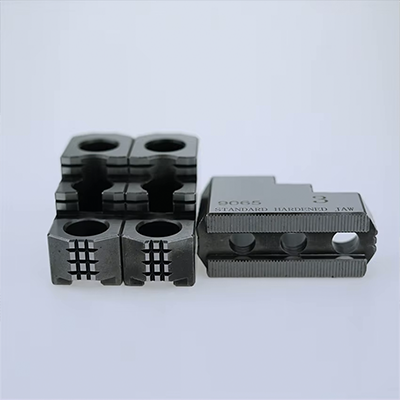
[[POS3]]
Hard Claw: สิ่งที่คุณต้องรู้เกี่ยวกับปากจับแข็งสำหรับเครื่องจักร
Hard Claw หรือที่เรียกกันในภาษาไทยว่า ปากจับแข็ง เป็นส่วนประกอบสำคัญของเครื่องกลึงที่ใช้ในการจับชิ้นงานอย่างมั่นคงและแม่นยำ ในกระบวนการกลึงและงานเครื่องจักรที่ต้องการความแม่นยำสูง ปากจับแข็งมีบทบาทที่ไม่สามารถมองข้ามได้ บทความนี้จะพาคุณไปทำความรู้จักกับ Hard Claw ประเภท การใช้งาน และข้อดีที่ทำให้มันเป็นที่นิยมในวงการเครื่องจักรกล
ปากจับแข็งคืออะไร?
ปากจับแข็ง (Hard Claw) คือส่วนประกอบที่ติดอยู่กับหัวจับ (Chuck) ของเครื่องกลึง ทำหน้าที่จับชิ้นงานอย่างแน่นหนาและมั่นคง ปากจับแข็งทำจากวัสดุที่มีความแข็งแรงสูง เช่น เหล็กกล้า (Hardened Steel) เพื่อให้สามารถทนต่อแรงกระแทกและการสึกหรอจากการทำงานที่ต้องใช้แรงสูง
ประเภทของปากจับแข็ง
ปากจับแข็งมีหลายรูปแบบขึ้นอยู่กับการใช้งานที่หลากหลาย สามารถแบ่งออกเป็นประเภทหลักๆ ได้ดังนี้:
ปากจับแบบมาตรฐาน (Standard Hard Claw): ใช้ในงานทั่วไปที่ไม่ต้องการความซับซ้อน มักพบในงานกลึงและตัดเฉือนที่ใช้กับวัสดุที่มีความแข็งปานกลางถึงสูง
ปากจับพิเศษ (Special Hard Claw): ออกแบบมาเฉพาะสำหรับการจับชิ้นงานที่มีรูปร่างพิเศษ หรือชิ้นงานที่ต้องการการจับที่มีแรงยึดเกาะสูงกว่าปกติ เช่น ชิ้นงานทรงกลมหรือทรงกระบอก
ปากจับแบบละเอียด (Precision Hard Claw): ใช้ในงานที่ต้องการความแม่นยำสูง เช่น การผลิตชิ้นส่วนที่ต้องการความเที่ยงตรงระดับไมโครเมตร
การทำงานของปากจับแข็ง
ปากจับแข็งทำงานร่วมกับหัวจับของเครื่องกลึง โดยการจับชิ้นงานให้แน่นหนา เมื่อชิ้นงานถูกจับอย่างมั่นคงแล้ว เครื่องกลึงจะทำการหมุนชิ้นงานเพื่อตัดเฉือนหรือตกแต่งชิ้นงานตามต้องการ การจับชิ้นงานอย่างแน่นด้วยปากจับแข็งช่วยลดการสั่นสะเทือนและการเคลื่อนที่ของชิ้นงาน ทำให้ชิ้นงานที่ได้มีความแม่นยำสูงขึ้น
ข้อดีของการใช้ปากจับแข็ง
ความแข็งแรงและทนทาน: วัสดุที่ใช้ทำปากจับแข็งมักเป็นเหล็กกล้าคุณภาพสูงที่ผ่านการชุบแข็ง ทำให้มีความแข็งแรงและทนต่อการสึกหรอได้นาน
ความแม่นยำสูง: ปากจับแข็งช่วยให้สามารถจับชิ้นงานได้แน่นหนาโดยไม่เกิดการขยับหรือสั่น ทำให้การตัดเฉือนมีความแม่นยำ
ลดการสึกหรอของเครื่องมือ: เมื่อชิ้นงานถูกจับอย่างมั่นคง เครื่องมือกลึงจะทำงานได้อย่างมีประสิทธิภาพมากขึ้น ลดการเสียดสีที่ไม่จำเป็นและช่วยยืดอายุการใช้งานของเครื่องมือ
การดูแลรักษาปากจับแข็ง
การบำรุงรักษาปากจับแข็งมีความสำคัญมากในการยืดอายุการใช้งาน ควรทำความสะอาดปากจับเป็นประจำเพื่อลดการสะสมของเศษวัสดุและหล่อลื่นเพื่อป้องกันการสึกหรอ รวมถึงการตรวจสอบการจับของปากจับอยู่เสมอ เพื่อให้แน่ใจว่าการทำงานของเครื่องจักรมีความแม่นยำและปลอดภัย
การเลือกใช้ปากจับแข็งที่เหมาะสม
การเลือกใช้ปากจับแข็งที่เหมาะสมขึ้นอยู่กับชนิดของชิ้นงานและกระบวนการผลิต หากคุณต้องการทำงานที่ต้องการความแม่นยำสูงหรือชิ้นงานที่มีรูปทรงพิเศษ ควรเลือกใช้ปากจับที่ออกแบบมาเฉพาะเพื่อรองรับงานเหล่านั้น
สรุป
ปากจับแข็ง (Hard Claw) เป็นส่วนสำคัญในกระบวนการกลึงที่ช่วยให้การทำงานมีความแม่นยำและมีประสิทธิภาพสูงขึ้น ด้วยความแข็งแรงและทนทาน ปากจับแข็งสามารถช่วยลดปัญหาการสั่นสะเทือนและการขยับของชิ้นงาน ซึ่งเป็นปัจจัยสำคัญที่ทำให้ชิ้นงานมีคุณภาพ การเลือกใช้ปากจับที่เหมาะสมจะช่วยให้การทำงานเป็นไปได้อย่างราบรื่นและประหยัดต้นทุนในการผลิต
Hard Claw: Essential Insights into Machine Tool Jaws
Hard Claw, or ปากจับแข็ง, is a vital component of lathes, providing a secure and precise grip on workpieces during machining processes. In operations that require high precision, hard claws play an indispensable role. This article will introduce you to the types of hard claws, their applications, and the advantages that make them popular in the machining industry.
What is a Hard Claw?
A Hard Claw is a component attached to the chuck of a lathe, designed to firmly and securely hold workpieces. Made from high-strength materials such as Hardened Steel, hard claws can withstand impacts and wear during high-force operations.
Types of Hard Claws
Hard claws come in various forms, tailored for different applications. They can be categorized into the following main types:
Standard Hard Claw:
Used for general purposes without requiring complex configurations. Commonly found in turning and machining operations with medium to high hardness materials.
Special Hard Claw:
Specifically designed for holding uniquely shaped workpieces or those requiring a higher grip strength, such as spherical or cylindrical items.
Precision Hard Claw:
Utilized in applications demanding extremely high accuracy, such as manufacturing components requiring micron-level precision.
How Hard Claws Work
Hard claws operate in conjunction with the chuck of the lathe to secure workpieces firmly. Once the workpiece is held securely, the lathe spins it for cutting or finishing processes. The robust grip of hard claws minimizes vibrations and movement, enhancing the overall precision of the finished workpiece.
Advantages of Using Hard Claws
Strength and Durability:
Hard claws are typically made from high-quality, hardened steel, making them strong and resistant to wear over time.
High Precision:
They ensure a firm grip on workpieces, preventing any movement or vibration that could affect cutting accuracy.
Reduced Tool Wear:
With a secure hold on the workpiece, the lathe operates more efficiently, reducing unnecessary friction and extending tool life.
Maintenance of Hard Claws
Proper maintenance of hard claws is crucial for extending their lifespan. Regular cleaning is essential to prevent debris accumulation, and lubrication is necessary to reduce wear. Additionally, frequent checks on the gripping ability of the claws are recommended to ensure accurate and safe machine operation.
Selecting the Right Hard Claw
Choosing the appropriate hard claw depends on the type of workpiece and the production process. For high-precision tasks or workpieces with special shapes, selecting a claw specifically designed for those applications is essential.
Conclusion
Hard claws are a critical component in turning processes, enhancing precision and efficiency. With their strength and durability, they help reduce vibration and movement issues, contributing to the overall quality of the workpiece. Choosing the right hard claw can facilitate smoother operations and cost savings in production.
z-z1601309192700.webp)
z-z1612306106757.webp)

© 2023 Mill Master l Rights Reserved
Taps
Reamers
NC Tooling
Machine Accessories
Others