Soft Jaws อุปกรณ์สำคัญสำหรับการจับยึดชิ้นงานอย่างแม่นยำในเครื่องกลึง
October 1, 2024 by Ylcuttingtools
[[POS3]]
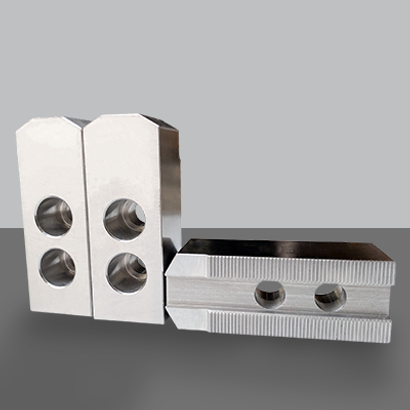
Soft Jaws หรือที่เรียกกันในภาษาไทยว่า ปากจับอ่อน เป็นอุปกรณ์จับยึดชิ้นงานในเครื่องกลึงที่ได้รับความนิยมสูงในวงการอุตสาหกรรมการผลิต เนื่องจากมีคุณสมบัติพิเศษในการปรับแต่งให้เหมาะกับชิ้นงานเฉพาะเจาะจง ช่วยลดการเกิดรอยขีดข่วนและความเสียหายต่อชิ้นงานในกระบวนการตัดเฉือนหรือขึ้นรูป บทความนี้จะพาคุณไปรู้จักกับ Soft Jaws ประโยชน์การใช้งาน ข้อดี รวมถึงการเลือกใช้ที่เหมาะสมกับลักษณะงานของคุณ
Soft Jaws คืออะไร?
Soft Jaws เป็นปากจับที่ทำจากวัสดุอ่อนกว่าปากจับทั่วไป เช่น อะลูมิเนียม เหล็กกล้าคาร์บอนต่ำ หรือไนลอน โดยออกแบบมาเพื่อใช้จับยึดชิ้นงานที่ต้องการความแม่นยำสูง หรือชิ้นงานที่มีพื้นผิวละเอียดอ่อนที่ไม่ต้องการให้เกิดรอยขีดข่วนหรือความเสียหาย Soft Jaws สามารถปรับแต่งรูปทรงได้ตามชิ้นงานเพื่อให้จับยึดได้อย่างแน่นหนาและลดโอกาสที่ชิ้นงานจะขยับหรือสั่นในขณะทำงาน
ประเภทของ Soft Jaws
Customizable Soft Jaws: ปากจับประเภทนี้สามารถปรับแต่งให้มีรูปทรงที่เหมาะสมกับชิ้นงานที่ต้องการได้ เช่น การกลึงเพื่อให้มีรูปทรงตามรูปร่างของชิ้นงานเฉพาะ ทำให้สามารถจับยึดชิ้นงานได้อย่างมั่นคง
Standard Soft Jaws: เป็นปากจับรูปทรงมาตรฐานที่ใช้กับงานทั่วไป เหมาะสำหรับชิ้นงานที่มีขนาดและรูปทรงไม่ซับซ้อน
Soft Jaws สำหรับเครื่องกลึง CNC: ออกแบบมาเพื่อใช้ในเครื่องกลึง CNC ซึ่งต้องการความแม่นยำสูง โดยมีขนาดและการออกแบบที่เหมาะสมกับการทำงานอัตโนมัติ
ข้อดีของการใช้ Soft Jaws
ป้องกันการเกิดรอยขีดข่วนบนชิ้นงาน: เนื่องจากวัสดุที่ใช้ทำ Soft Jaws มีความอ่อนกว่าปากจับทั่วไป จึงช่วยลดการเกิดรอยขีดข่วนบนพื้นผิวของชิ้นงานที่มีความละเอียดอ่อน เช่น ชิ้นส่วนโลหะที่ผ่านการขัดเงาหรือชิ้นส่วนที่ต้องการคุณภาพผิวสูง
ความยืดหยุ่นในการใช้งาน: Soft Jaws สามารถปรับแต่งให้มีรูปทรงที่เข้ากับชิ้นงานได้ ทำให้สามารถจับยึดชิ้นงานที่มีรูปร่างพิเศษได้อย่างมั่นคงและปลอดภัย
เพิ่มความแม่นยำในการทำงาน: การจับยึดที่แน่นหนาช่วยลดการสั่นสะเทือนและการขยับของชิ้นงานในระหว่างการตัดเฉือนหรือขึ้นรูป ซึ่งเป็นปัจจัยสำคัญที่ช่วยเพิ่มความแม่นยำของชิ้นงานที่ผลิต
ช่วยลดเวลาในการตั้งค่าเครื่องจักร: เนื่องจาก Soft Jaws สามารถปรับแต่งตามชิ้นงานได้ จึงช่วยลดเวลาในการเปลี่ยนชิ้นงานและการตั้งค่าเครื่องจักรใหม่ในกรณีที่ต้องการจับยึดชิ้นงานที่มีขนาดหรือรูปร่างที่แตกต่างกัน
การเลือกใช้ Soft Jaws
การเลือกใช้ Soft Jaws ที่เหมาะสมกับงานขึ้นอยู่กับหลายปัจจัย ได้แก่:
วัสดุของชิ้นงาน: หากชิ้นงานมีพื้นผิวที่ละเอียดอ่อนและไม่ต้องการให้เกิดรอยขีดข่วน ควรเลือกใช้ Soft Jaws ที่ทำจากวัสดุอ่อน เช่น อะลูมิเนียมหรือไนลอน
ขนาดและรูปทรงของชิ้นงาน: ควรเลือก Soft Jaws ที่สามารถปรับแต่งรูปทรงให้เข้ากับชิ้นงานที่ต้องการจับยึด เพื่อให้การจับยึดมีความมั่นคงและปลอดภัย
ลักษณะของงาน: สำหรับงานที่ต้องการความแม่นยำสูง เช่น งานในอุตสาหกรรมยานยนต์หรืออิเล็กทรอนิกส์ ควรใช้ Soft Jaws ที่มีคุณสมบัติในการปรับแต่งให้เหมาะสมกับชิ้นงานที่ผลิต
การดูแลรักษา Soft Jaws
แม้ว่า Soft Jaws จะเป็นอุปกรณ์ที่ทนทานและสามารถใช้งานได้ยาวนาน แต่การบำรุงรักษาอย่างถูกวิธียังเป็นสิ่งสำคัญ ควรทำความสะอาด Soft Jaws หลังจากใช้งานทุกครั้ง เพื่อป้องกันการสะสมของเศษวัสดุที่อาจทำให้การจับยึดชิ้นงานมีความแม่นยำน้อยลง นอกจากนี้ควรตรวจสอบการสึกหรอของปากจับและเปลี่ยนใหม่เมื่อตรวจพบการเสื่อมสภาพ
สรุป
Soft Jaws เป็นอุปกรณ์ที่มีความสำคัญในกระบวนการผลิตที่ต้องการความแม่นยำและความปลอดภัยในการจับยึดชิ้นงาน การใช้งาน Soft Jaws ช่วยลดความเสี่ยงในการเกิดรอยขีดข่วนบนชิ้นงานที่มีความละเอียดอ่อน และช่วยเพิ่มประสิทธิภาพในการตัดเฉือนหรือขึ้นรูปชิ้นงาน การเลือกใช้และดูแลรักษา Soft Jaws อย่างเหมาะสมจะช่วยเพิ่มประสิทธิภาพในการทำงานและยืดอายุการใช้งานของอุปกรณ์นี้
Soft Jaws: Essential Clamping Devices in Precision Machining
Soft Jaws (ปากจับอ่อน) are highly regarded in the manufacturing industry for their unique ability to be customized for specific workpieces. This feature minimizes the risk of scratches and damage during machining operations. This article will introduce you to soft jaws, their benefits, advantages, and how to select the right type for your specific application.
What are Soft Jaws?
Soft Jaws are clamping devices made from softer materials compared to traditional jaws, such as aluminum, low-carbon steel, or nylon. They are designed to securely hold workpieces requiring high precision or delicate surfaces that should not be scratched or damaged. Soft jaws can be customized to match the specific contours of the workpiece, ensuring a tight grip and minimizing movement during machining.
Types of Soft Jaws
Soft jaws come in various types, each suited to different applications:
Customizable Soft Jaws:
These can be tailored to match the specific shape of a workpiece, providing a secure hold during machining.
Standard Soft Jaws:
These are designed for general use, suitable for workpieces with standard sizes and shapes.
Soft Jaws for CNC Lathes:
Specifically designed for CNC lathes, these jaws require high precision and are optimized for automated operations.
Benefits of Using Soft Jaws
Scratch Prevention:
The softer materials help reduce the chances of scratching delicate surfaces, making them ideal for polished or high-quality workpieces.
Flexibility:
Soft jaws can be customized to fit various shapes, allowing for secure gripping of uniquely shaped workpieces.
Increased Precision:
A tight grip minimizes vibrations and movement during cutting, enhancing the precision of the finished product.
Time Efficiency:
The ability to customize soft jaws reduces the time needed to switch workpieces and reconfigure machines, improving overall efficiency.
Choosing the Right Soft Jaws
Selecting the appropriate soft jaws depends on several factors:
Material of the Workpiece:
For delicate surfaces, opt for soft jaws made from softer materials like aluminum or nylon to prevent scratches.
Size and Shape of the Workpiece:
Choose jaws that can be customized to fit the specific dimensions of the workpiece for a secure hold.
Nature of the Work:
For high-precision tasks, especially in automotive or electronics manufacturing, select soft jaws that can be tailored for optimal performance.
Maintaining Soft Jaws
While soft jaws are durable and designed for long-term use, proper maintenance is crucial. Clean the jaws after each use to prevent debris buildup that may hinder grip precision. Regularly check for wear and replace jaws when signs of deterioration are detected.
Conclusion
Soft jaws play a vital role in machining processes that demand precision and safety. They significantly reduce the risk of scratches on delicate workpieces and enhance the efficiency of machining operations. By carefully selecting and maintaining soft jaws, you can improve work efficiency and extend the lifespan of these essential tools.
z-z1601309192700.webp)
z-z1612306106757.webp)

© 2023 Mill Master l Rights Reserved
Taps
Reamers
NC Tooling
Machine Accessories
Others