ทำความรู้จักกับ Inserts เม็ดมีดที่สำคัญในกระบวนการผลิต
September 30, 2024 by Ylcuttingtools
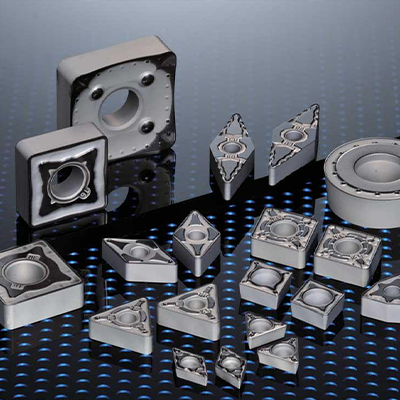
[[POS3]]
Inserts หรือที่เรียกในภาษาไทยว่า "เม็ดมีด" เป็นอุปกรณ์สำคัญในกระบวนการตัดเฉือนโลหะและการขึ้นรูปชิ้นงานในอุตสาหกรรมต่าง ๆ ไม่ว่าจะเป็นอุตสาหกรรมยานยนต์ อุตสาหกรรมการผลิตชิ้นส่วนเครื่องจักร และอุตสาหกรรมเหล็ก การเลือกใช้ Inserts ที่เหมาะสมสามารถเพิ่มประสิทธิภาพการผลิต ลดการสึกหรอ และทำให้ได้ผลลัพธ์ที่มีคุณภาพสูงขึ้น
Inserts คืออะไร?
Inserts เป็นเม็ดมีดขนาดเล็กที่ใช้ติดตั้งเข้ากับเครื่องมือตัดเฉือน (Cutting Tool) เพื่อใช้ในการตัด ขึ้นรูป หรือเจาะวัสดุต่าง ๆ เช่น โลหะ เหล็ก หรือพลาสติก เม็ดมีดเหล่านี้มักจะถูกออกแบบให้สามารถเปลี่ยนหรือถอดออกได้เมื่อเกิดการสึกหรอ ทำให้ไม่จำเป็นต้องเปลี่ยนเครื่องมือทั้งตัว ช่วยลดต้นทุนการผลิตในระยะยาว
Inserts ถูกผลิตจากวัสดุหลายชนิดที่มีความแข็งแกร่ง เช่น คาร์ไบด์ (Carbide), เซรามิก (Ceramic), และไฮสปีดสตีล (High-Speed Steel: HSS) ซึ่งแต่ละชนิดมีคุณสมบัติที่เหมาะสมกับการใช้งานในรูปแบบต่าง ๆ
ประเภทของ Inserts
Inserts มีหลายประเภทตามลักษณะและการใช้งานที่แตกต่างกัน โดยสามารถแบ่งออกเป็นประเภทหลัก ๆ ดังนี้:
Carbide Inserts (เม็ดมีดคาร์ไบด์): ทำจากคาร์ไบด์ที่มีความแข็งแรงและทนต่อการสึกหรอสูง เหมาะสำหรับการตัดเฉือนวัสดุที่มีความแข็ง เช่น เหล็กกล้า หรือโลหะผสม และใช้ได้ในกระบวนการผลิตที่ต้องการความเร็วสูง
Ceramic Inserts (เม็ดมีดเซรามิก): ใช้ในงานที่ต้องการความต้านทานต่อความร้อนสูง สามารถใช้กับการตัดเฉือนโลหะที่มีความแข็งมาก ๆ เช่น การตัดเหล็กหล่อหรือการขึ้นรูปชิ้นส่วนที่ทนทานต่อแรงกระแทก
Cermet Inserts (เม็ดมีดเซอร์เมท): เป็นการผสมผสานระหว่างเซรามิกและโลหะเพื่อให้ได้ความแข็งแกร่งและความทนทานที่สูง มักจะใช้ในงานที่ต้องการความเงางามของพื้นผิวชิ้นงานหลังจากการตัดเฉือน
Diamond Inserts (เม็ดมีดเพชร): ใช้ในการตัดวัสดุที่แข็งมาก เช่น คาร์บอนไฟเบอร์ พลาสติกแข็ง หรือโลหะที่มีความเหนียว เม็ดมีดเพชรมีความคมและทนทานเป็นพิเศษ
High-Speed Steel Inserts (เม็ดมีดไฮสปีดสตีล): เป็นเม็ดมีดที่มีความยืดหยุ่นสูงและราคาประหยัด เหมาะสำหรับการตัดเฉือนวัสดุทั่วไป เช่น เหล็กหรืออะลูมิเนียม
ลักษณะการใช้งานของ Inserts
งานกลึง (Turning): Inserts ใช้ในเครื่องกลึงเพื่อสร้างความแม่นยำในการขึ้นรูปและตัดชิ้นงานที่มีลักษณะเป็นทรงกระบอกหรือทรงกลม การเลือกใช้ Inserts ที่มีความคมและทนทานเป็นปัจจัยสำคัญในการลดระยะเวลาในการผลิต
งานเจาะ (Drilling): สำหรับการขุดหรือเจาะรูในวัสดุ โดยใช้ Inserts ในหัวเจาะที่ต้องการความแม่นยำและความแข็งแรงสูงในการตัดผ่านวัสดุที่มีความแข็ง
งานกัด (Milling): การกัดชิ้นงานเพื่อให้ได้รูปทรงที่ต้องการ เช่น การกัดแบบหน้าเรียบหรือการกัดฟันเฟือง การใช้ Inserts ที่มีขนาดและรูปทรงเหมาะสมจะช่วยให้ได้ผลลัพธ์ที่ละเอียดและแม่นยำ
งานตัดเกลียว (Threading): ใช้ Inserts ในการตัดเกลียวภายนอกหรือภายในชิ้นงาน โดยเฉพาะในงานที่ต้องการความละเอียดของเกลียว เช่น สกรูและน็อต
การเลือกใช้ Inserts ที่เหมาะสม
การเลือก Inserts ที่เหมาะสมกับงานเป็นสิ่งที่สำคัญมาก โดยปัจจัยหลักที่ควรพิจารณา ได้แก่
วัสดุของชิ้นงาน: เช่น การใช้ Inserts แบบคาร์ไบด์ในการตัดเหล็กกล้า หรือการใช้ Inserts แบบเซรามิกในงานที่ต้องการความต้านทานความร้อน
ความเร็วในการตัด (Cutting Speed): เม็ดมีดแต่ละชนิดจะมีคุณสมบัติต่างกันในการทำงานที่ความเร็วสูง หากเลือกไม่เหมาะสมอาจทำให้เม็ดมีดสึกหรอเร็วขึ้น
ความแม่นยำและผิวของชิ้นงาน: บางครั้งงานที่ต้องการความละเอียดสูงจะต้องใช้ Inserts ที่มีความคมเป็นพิเศษ
ประโยชน์ของการใช้งาน Inserts
ประหยัดต้นทุน: สามารถเปลี่ยนเม็ดมีดได้เมื่อเกิดการสึกหรอโดยไม่ต้องเปลี่ยนเครื่องมือทั้งหมด ลดต้นทุนในการซ่อมแซมและบำรุงรักษา
เพิ่มประสิทธิภาพในการผลิต: การเลือกใช้ Inserts ที่เหมาะสมช่วยให้กระบวนการตัดเฉือนเป็นไปอย่างรวดเร็ว ลดเวลาในการทำงาน
ลดการเสียหายของชิ้นงาน: เม็ดมีดที่มีคุณภาพช่วยลดความเสียหายของชิ้นงาน และทำให้ได้ผลงานที่แม่นยำและมีคุณภาพสูง
สรุป
Inserts หรือเม็ดมีดเป็นอุปกรณ์ที่มีความสำคัญอย่างยิ่งในกระบวนการผลิตและตัดเฉือน การเลือกใช้เม็ดมีดที่เหมาะสมกับลักษณะของงานและวัสดุที่ใช้ จะช่วยเพิ่มประสิทธิภาพในการทำงาน ลดต้นทุน และทำให้ได้ผลงานที่มีคุณภาพและความแม่นยำสูง
Inserts,
also known as "cutting inserts," are essential tools in the metal cutting and shaping processes across various industries, including automotive, machinery manufacturing, and steel production. Choosing the right inserts can enhance production efficiency, reduce wear, and yield higher-quality results.
What are Inserts?
Inserts are small cutting tools installed in cutting tools (Cutting Tool) for machining, shaping, or drilling various materials such as metals, steel, or plastics. These inserts are designed to be replaceable, allowing for quick changes when they wear out, thus eliminating the need to replace the entire cutting tool and helping to reduce long-term production costs.
Inserts are made from various strong materials, such as carbide, ceramic, and high-speed steel (HSS), each possessing properties suited for different applications.
Types of Inserts
Inserts come in various types based on their characteristics and applications, which can be categorized as follows:
Carbide Inserts: Made from carbide, known for its strength and wear resistance, ideal for machining hard materials like steel and alloys, and suitable for high-speed production processes.
Ceramic Inserts: Used in applications requiring high heat resistance, capable of machining very hard materials, such as cast iron or components that need to withstand impact.
Cermet Inserts: A combination of ceramic and metal, offering high hardness and durability, often used for achieving a smooth surface finish after machining.
Diamond Inserts: Used for cutting extremely hard materials such as carbon fiber, hard plastics, or tough metals. Diamond inserts have exceptional sharpness and durability.
High-Speed Steel Inserts: Flexible and cost-effective, these inserts are suitable for machining general materials like steel or aluminum.
Applications of Inserts
Turning: Inserts are used in lathes to achieve precision in shaping and cutting cylindrical or round workpieces. Choosing sharp and durable inserts is crucial for reducing production time.
Drilling: Inserts are employed in drill bits to create holes in materials, requiring high precision and strength to cut through hard surfaces.
Milling: Inserts are utilized to shape workpieces into desired forms, such as flat surfaces or gear teeth. Using appropriately sized and shaped inserts helps achieve detailed and accurate results.
Threading: Inserts are used for external or internal threading, particularly in applications requiring precision, such as screws and nuts.
Selecting the Right Inserts
Choosing the correct inserts for specific tasks is vital, with key factors to consider, including:
Material of the Workpiece: For example, using carbide inserts for machining steel or ceramic inserts for heat-resistant tasks.
Cutting Speed: Different types of inserts have varying performance characteristics at high speeds. Choosing the wrong type may lead to faster wear.
Precision and Surface Finish: Some tasks that demand high precision require specially sharp inserts.
Benefits of Using Inserts
Cost Efficiency: Inserts can be replaced when worn without needing to change the entire tool, reducing repair and maintenance costs.
Increased Production Efficiency: Selecting the right inserts facilitates faster machining processes and reduces work time.
Reduced Workpiece Damage: High-quality inserts minimize workpiece damage, resulting in precise and high-quality outcomes.
Conclusion
Inserts are vital tools in manufacturing and machining processes. Choosing the appropriate inserts based on the characteristics of the work and materials involved can enhance operational efficiency, reduce costs, and produce high-quality, precise results.
z-z1601309192700.webp)
z-z1612306106757.webp)

© 2023 Mill Master l Rights Reserved
Taps
Reamers
NC Tooling
Machine Accessories
Others